Hostinger vs. Namecheap: Explained
Hostinger is a web hosting company that provides various services to help individuals and businesses create websites. Established in 2004, it offers a range of hosting plans, including shared, VPS, and cloud hosting. Hostinger is known for its affordability, making it a popular choice for beginners. Their user-friendly interface makes it easy to set up a website, even if you have little technical experience. Additionally, they provide 24/7 customer support to assist users whenever needed.
Namecheap is primarily known as a domain name registrar. Founded in 2000, it allows users to buy and manage domain names easily. Besides domain registration, Namecheap also offers shared hosting, WordPress hosting, and more. They are recognized for their competitive pricing and commitment to customer service. With a simple interface, you can quickly search for and register domain names. Namecheap often includes additional features, like DNS management and SSL certificates, making it a comprehensive choice for web presence. Read on for all the details.
Pricing and Plans
Understanding Hostinger’s Pricing and Plans
When delving into the world of web hosting, Hostinger stands out as a cost-effective option, particularly for entry-level users and small businesses. Their pricing structure is competitively designed with very low introductory launch prices. For example, Hostinger’s shared hosting plans start around $2.49–$2.99 per month on long-term deals (48-month billing) for basic plans, often including a free domain for the first year, free SSL, and weekly backups.
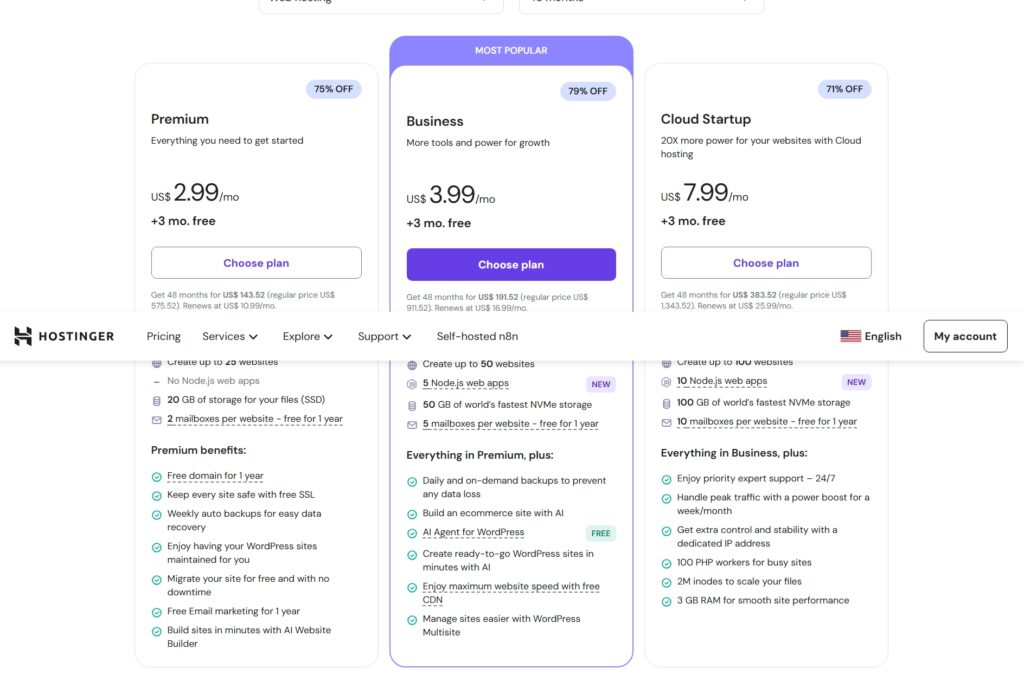
However, a key factor to consider is that these promotional prices apply to the first billing cycle only — after the initial term, renewal rates often climb significantly (e.g., premium shared plans renewing closer to $7.99–$10.99 per month). This pricing structure makes Hostinger very appealing for long-term commitments, but budgeting should take renewal costs into account. Their plans are tiered, offering more storage, bandwidth, and websites hosted as you move to higher tiers, along with features like daily backups and priority support on business plans.
Namecheap: Quality With Affordability
On the other hand, Namecheap also presents an attractive pricing model though it diverges in its overall approach. While Namecheap is widely known for domain registration, its hosting plans are similarly budget-focused but usually start slightly lower than Hostinger for shared hosting. For instance, Namecheap’s Stellar shared hosting plan is currently around $1.78–$1.98 per month for the first year (about $21–$24/year), though it renews higher (around $48.88/year) after the introductory period.
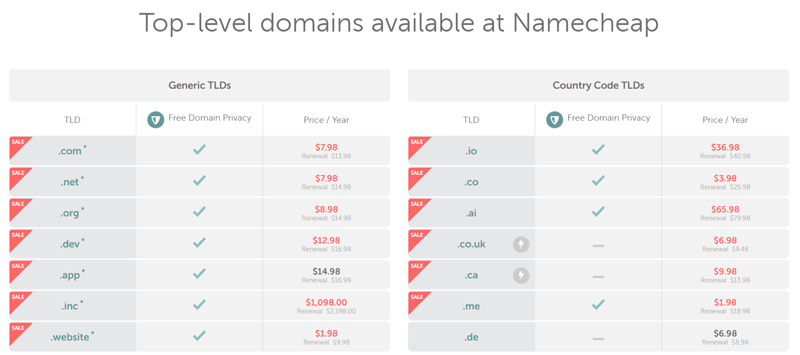
Namecheap also offers Stellar Plus and Stellar Business plans with more features such as unlimited websites, unmetered SSD storage, and auto-backups, but these also rise in cost at renewal. One advantage is that Namecheap’s pricing tends to be more predictable — renewal price increases are generally more moderate compared to some steep jumps seen with Hostinger’s promotional deals.
Additionally, Namecheap includes extras like a free domain with some plans and robust control panel options using cPanel, which many users find familiar and easy to manage. While not always as high-performance as Hostinger’s LiteSpeed servers, Namecheap still delivers solid uptime and reliability for small sites
Key Features
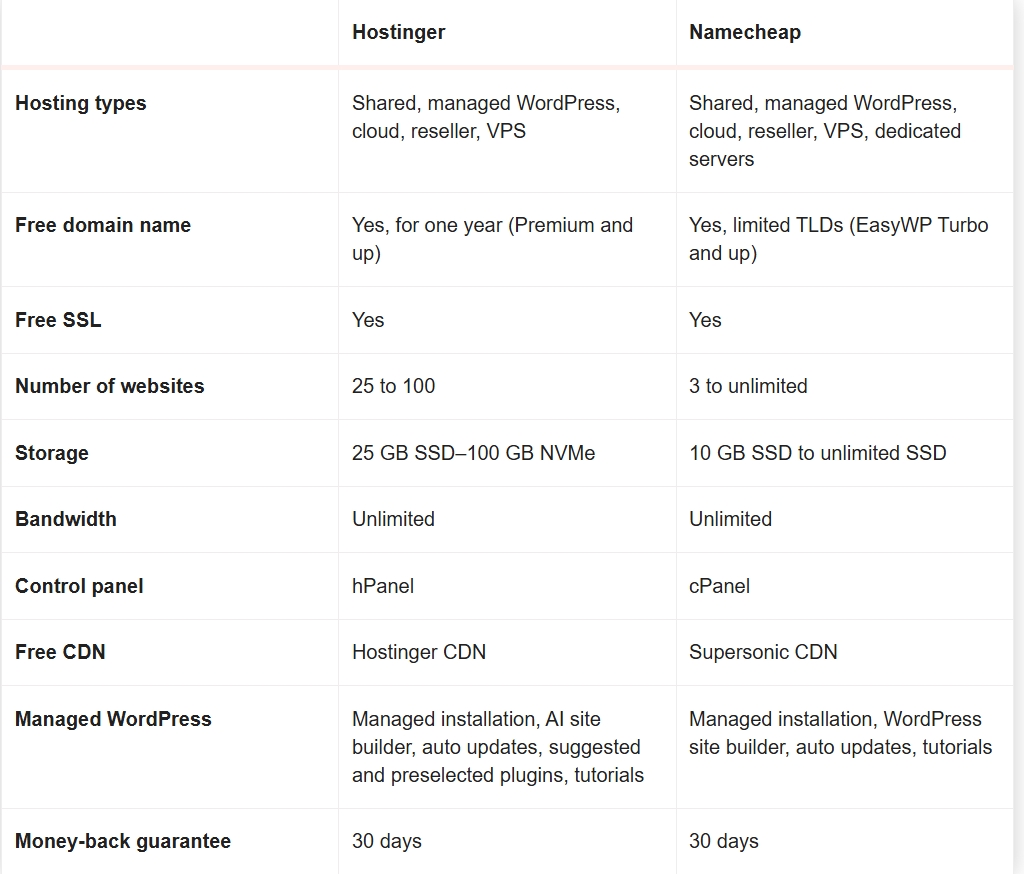
When it comes to website hosting, choosing the right provider can feel overwhelming. Hostinger and Namecheap are both popular options that cater to budget-conscious users, but they have different strengths. Hostinger shines when it comes to performance and ease of use. With its custom hPanel, even those new to website management can navigate tasks without feeling lost.
The integration of LiteSpeed servers and Cloudflare CDN means faster loading times, which is crucial for keeping visitors engaged. Plus, many of its plans come with a free SSL certificate and a domain name for those who sign up for a longer period. However, users need to be mindful of the limited backup features on the lower-tier plans and the higher renewal rates that kick in after the initial promotional period.
On the other hand, Namecheap is all about flexibility and predictability. It uses the familiar cPanel interface, making it easier for users who might have previous experience with hosting. While it doesn’t feature LiteSpeed servers by default, it still offers reliable SSD storage and free SSL on select plans. One of Namecheap’s biggest advantages is its transparent pricing, with only small increases when it’s time to renew. It also includes automatic backups on its higher-tier plans, ensuring that users’ data is safer.
Additionally, Namecheap offers strong domain features, including Whois privacy protection, which is great for anyone who wants to maintain their online privacy. Ultimately, the choice between Hostinger and Namecheap comes down to what matters most for your website — whether you need lightning-fast performance or a straightforward pricing structure that won’t surprise you later.
Performance
Speed Winner: Hostinger
When it comes to performance, the speed comparison between Hostinger and Namecheap is striking. Hostinger emerges as the speed winner, generally faster overall, especially under load. This crucial factor greatly impacts user experience, particularly for dynamic websites. With Hostinger’s optimized infrastructure and advanced caching mechanisms, it can handle traffic surges more efficiently. For businesses with fluctuating visitor counts, this speed advantage can translate into higher retention rates and better conversion. Cybernews notes how this translates to a more responsive user interface, making visitors more likely to return. Therefore, if speed is a priority, especially under high load, Hostinger stands out as the preferred option.
Uptime Consistency
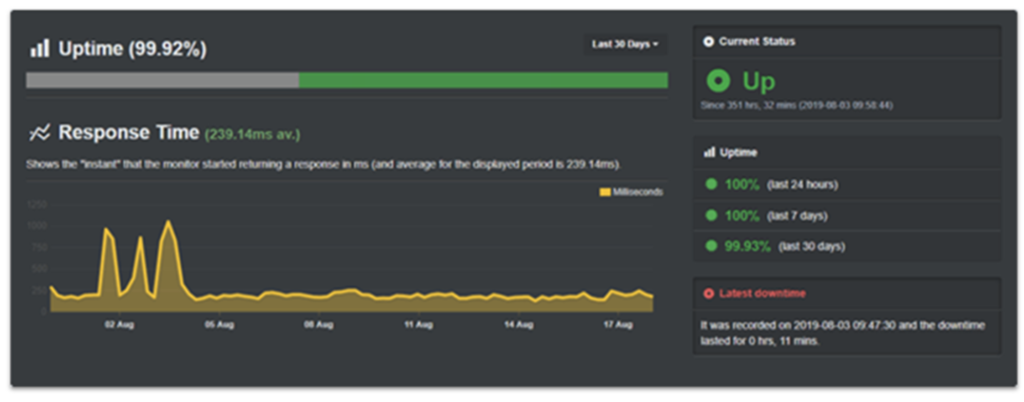
In terms of uptime consistency, both Hostinger and Namecheap are reliable options, but Hostinger often edges out slightly. The difference is minimal, yet crucial for maintaining uninterrupted service for users. Downtime can frustrate visitors and tarnish a brand’s image, which makes uptime a vital metric to consider. WPRESSBLOG highlights how Hostinger’s performance further solidifies its stance as a trustworthy hosting provider, capable of maintaining peak performance levels. Businesses that rely on consistent website availability will benefit significantly from Hostinger’s slight edge in uptime.
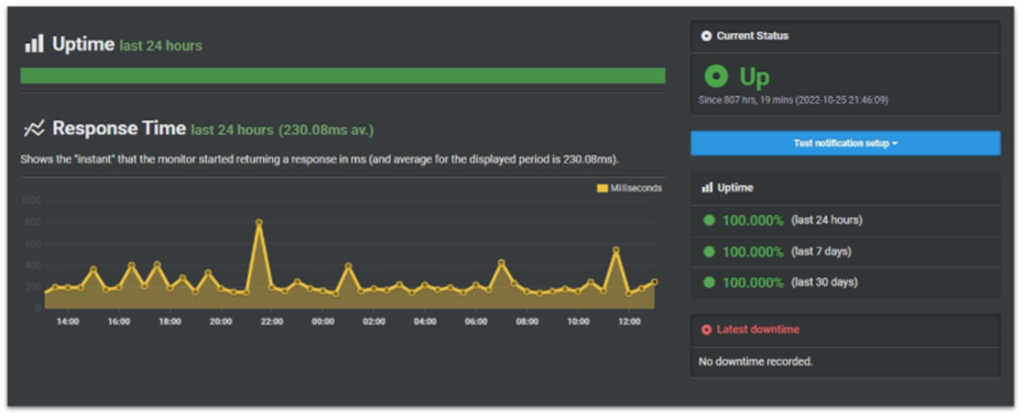
However, Namecheap still provides solid uptime performance, making it a reliable contender for smaller projects. It’s essential for webmasters to weigh these uptime statistics when making a decision for specific needs.
Global Delivery
Another critical factor in the Hostinger vs. Namecheap performance debate is global delivery. Hostinger’s broader data center network greatly improves latency across different regions, leading to snappier load times for international users. This feature is particularly beneficial for businesses targeting a global audience. It minimizes the distance data must travel, impacting speed and user experience positively. In contrast, Namecheap, with its more limited data center options, may not offer the same level of global reach. Thus, for e-commerce and high-traffic websites looking for an international presence, Hostinger’s wider network gives it the upper hand. Users should consider global delivery capabilities when assessing their hosting options for varied audiences.
Best for High-Traffic Sites
For those managing high-traffic sites, Hostinger proves to be the better choice, excelling in caching and resource management. With its advanced technologies, it efficiently allocates server resources, ensuring that even during peak times, websites remain responsive. This capability is essential for businesses that need to sustain high levels of traffic without compromising performance. In comparison, Namecheap may not handle large traffic bursts as effectively, potentially leading to slower response times. Cybernews emphasizes the importance of efficient resource management for maintaining website performance, especially under pressure. Therefore, if you anticipate high traffic or plan to scale, Hostinger stands as the superior option in this regard.
Good for Simple Sites
Conversely, Namecheap still holds a valuable position for simpler sites or blogs. Its solid performance may suffice for individuals or small businesses that don’t expect heavy traffic. For straightforward websites, Namecheap offers an affordable and reliable platform without overwhelming complexities. This makes it an appealing choice for those just starting or on a budget. While it may not rival Hostinger in speed or resource management, it still gets the job done effectively. Users should assess their specific needs, especially if they foresee limited audience engagement. In summary, Namecheap serves as a viable solution for simpler, less demanding projects, ensuring that not every website needs cutting-edge capabilities.
Security
When it comes to website hosting, choosing the right provider can feel overwhelming. For those who prioritize robust site protection right from the start, Hostinger shines as a strong option.
With built-in features like advanced firewalls and regular malware scanning, Hostinger ensures your site is shielded against common threats. Their extensive DDoS protection systems also offer peace of mind, especially if you’re running a business that can’t afford downtime. This out-of-the-box defense means even those who aren’t tech-savvy can feel secure with their choice.
The intuitive interface adds to the ease, allowing users to focus more on content instead of worrying about attacks. For anyone who values comprehensive security without needing to dig into extra add-ons, Hostinger truly stands out.
On the other hand, Namecheap excels in the domain security realm. Their WhoisGuard feature keeps your personal information private, which is a huge plus in today’s world of digital transparency.
Additionally, Namecheap offers a stable SSL certificate, a critical element that ensures data integrity between your site and its visitors. While they provide solid basic protection, users can also enhance their security with optional add-ons, making it a flexible choice for different needs.
This allows you to customize your protection level based on what you think is necessary. Ultimately, whether you lean toward Hostinger’s strong built-in defenses or Namecheap’s customizable security options, both have unique strengths that cater to varied priorities. Your choice will ultimately depend on what matters most to you in safeguarding your online presence.
Support
Support Availability Overview
- Hostinger:
– Offers 24/7 live chat support in the dashboard.
– Customers get quick responses, often within minutes.
– Reduces stress when fixing website issues. - Namecheap:
– Also provides 24/7 live chat, but response times are longer (8-15 minutes).
– Users find support friendly and reliable, especially for domain questions. - Digital Genius:
– Uses AI assistance for quick answers to basic questions.
– Has a thorough knowledge base with step-by-step guides for self-help.
Mixed Reviews
- Hostinger:
– Generally proactive and beginner-friendly.
– Agents guide users in tasks like setting up SSL and managing DNS.
– Some reports of varying quality during busy times. - Namecheap:
– Staff is knowledgeable about standard hosting tasks.
– May struggle with more complex issues.
Conclusion: - Hostinger is often preferred for fast, consistent help.
- Namecheap is better for friendly support, especially pre-purchase.
- Your choice depends on whether you value speed or personable assistance.
It’s Clear: Hostinger is the Best Choice
Hostinger is an exceptional web hosting provider, primarily due to its affordability. It offers competitive pricing, making quality hosting accessible for bloggers and small businesses alike. Beyond cost, Hostinger boasts robust performance with fast loading times and reliable uptime, enhancing user experience and traffic retention. Its user-friendly interface allows even beginners to navigate effortlessly, supported by helpful tutorials. Additionally, Hostinger emphasizes customer support, providing 24/7 assistance to ensure timely resolutions. Strong security features, including free SSL certificates and daily backups, protect your data. With diverse hosting plans available, Hostinger effectively meets a variety of user needs, solidifying its top choice status.