
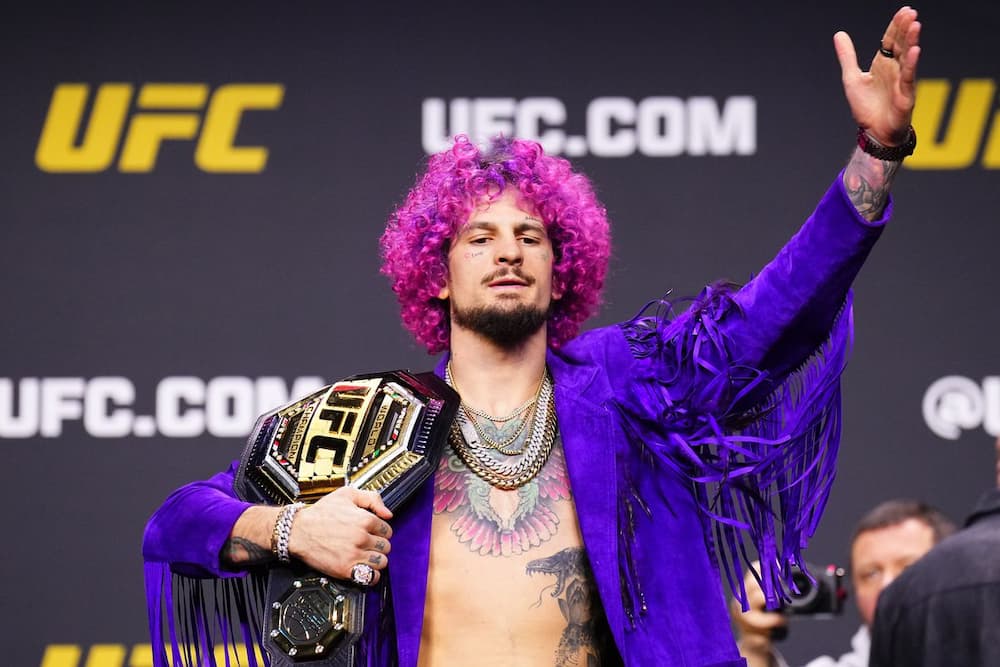
Sean O’Malley Net Worth $4 million
In the modern era of mixed martial arts, fighters are no longer just athletes — they are brands, influencers, and entrepreneurs. Few exemplify this shift better than Sean O’Malley. Known for his flashy striking, rainbow-colored hair, outspoken confidence, and highlight-reel knockouts, O’Malley has built a career that extends far beyond the octagon.
While many fans focus on his fighting style and championship ambitions, there’s growing curiosity about his financial success. How much is Sean O’Malley actually worth? How does he make his money? And how does he compare to other UFC stars?
This in-depth article explores Sean O’Malley’s estimated net worth in 2026, his fight purses, sponsorships, business ventures, lifestyle, and long-term financial outlook.
Sean O’Malley’s Estimated Net Worth in 2026
As of 2026, Sean O’Malley’s estimated net worth is widely believed to fall between $4 million and $7 million, depending on the valuation method used.
Because UFC contracts and sponsorship details are private, exact numbers are not publicly available. However, financial analysts typically estimate athlete net worth by calculating:
- Reported fight purses
- Pay-per-view (PPV) points
- Performance bonuses
- Sponsorship deals
- Merchandise revenue
- Digital content earnings
- Investments and assets
O’Malley’s consistent headlining status and massive online following have significantly elevated his earning potential compared to most fighters in the bantamweight division.
Early Career and Financial Beginnings
Sean O’Malley’s rise to financial success did not happen overnight. Born in Helena, Montana, in 1994, he began training in MMA in his teens and eventually competed on Dana White’s Contender Series in 2017.
His performance earned him a UFC contract — but like most newcomers, his early paydays were modest. Entry-level UFC fighters often start in the $10,000 to $20,000 range to show, with a similar amount to win.
At that stage of his career, O’Malley’s earnings were respectable but far from millionaire territory. What changed his trajectory wasn’t just winning fights — it was understanding marketing.
Breakthrough in the UFC
O’Malley’s early knockouts quickly made him a fan favorite. His unique appearance and confident personality attracted attention from media outlets and social platforms. This visibility translated into higher placement on fight cards — and higher pay.
As his popularity grew, so did his compensation:
- Base pay increased significantly.
- He began earning performance bonuses.
- Main card placements improved exposure.
- Sponsorship opportunities expanded.
When he headlined events and fought for the bantamweight title, his purses reportedly reached the high six-figure range before bonuses.
Becoming a champion dramatically boosts earning power in the UFC. Title fights often come with:
- Increased base pay
- Pay-per-view shares
- Larger sponsorship leverage
- Media obligations that expand brand value
Even when fighters lose a title, their earning power typically remains elevated due to name recognition.

Fight Earnings Breakdown
Although exact contractual numbers remain private, O’Malley’s income per fight at the peak of his career likely includes:
- Base salary: Estimated between $300,000–$600,000 for major fights
- Win bonus: Often equal to base salary (depending on contract structure)
- Performance bonuses: $50,000 awards for Fight of the Night or Performance of the Night
- PPV points: A percentage of pay-per-view buys for headline bouts
For a major pay-per-view event, total compensation can exceed $1 million when bonuses and PPV shares are included.
This places him well above the average UFC fighter, though still below mega-stars like Conor McGregor.
The Power of Branding
What truly separates Sean O’Malley from many of his peers is his understanding of branding.
He is not just a fighter he is a character.
His neon hair, tattoos, and laid-back but confident persona make him instantly recognizable. In combat sports, recognizability equals revenue. By building the “Sugar” Sean identity, he created something marketable beyond wins and losses.
Brand power allows athletes to:
- Negotiate better sponsorships
- Sell merchandise
- Grow independent platforms
- Secure podcast deals
- Build business partnerships
O’Malley embraced social media early and consistently, which significantly increased his earning ceiling.
Social Media and Digital Revenue
Sean O’Malley has built a massive following across platforms including:
- YouTube
- Twitter/X
- TikTok
- Podcast streaming platforms
YouTube ad revenue alone can generate thousands per month depending on view counts. Add in sponsored posts, affiliate links, and brand collaborations, and digital income becomes a serious revenue stream.
Unlike fight income — which depends on health and scheduling — digital content generates consistent recurring revenue.
Many financial observers believe O’Malley earns a substantial portion of his yearly income from content and partnerships rather than strictly from fighting.
Sponsorship and Endorsements
Despite UFC uniform policies limiting in-cage sponsors, fighters can still partner with brands outside of fight week.
O’Malley has worked with:
- Apparel brands
- Supplement companies
- Lifestyle beverages
- Sports betting platforms
- Cryptocurrency-related projects
- Fitness and equipment brands
High-profile fighters can command five- to six-figure deals per sponsorship depending on exposure and contract duration.
Because O’Malley appeals to a younger demographic and has strong engagement metrics, he remains attractive to advertisers.
Merchandise and Direct-to-Consumer Sales
Merchandise is another important income source.
O’Malley has capitalized on his unique brand with:
- Branded apparel
- Limited edition drops
- Fight-week themed gear
- Signed memorabilia
Direct-to-consumer merchandise allows athletes to avoid middlemen and retain higher profit margins.
When timed with major fights, merch sales often spike significantly.

Business Ventures and Investments
Financially savvy athletes often diversify beyond their primary sport. O’Malley appears to follow this path.
Though exact portfolio details are private, reports suggest involvement in:
- Real estate investments
- Brand partnerships
- Podcast monetization
- Equity-style collaborations
Real estate, in particular, is a common strategy for professional athletes seeking long-term security.
Diversification is critical in combat sports, where careers can be shortened by injury or unexpected losses.
Lifestyle and Spending Habits
Despite earning millions, O’Malley does not appear to live extravagantly compared to some sports superstars.
His visible lifestyle includes:
- Custom fashion
- Jewelry
- Travel
- Gaming setups
- Vehicles
However, he has also spoken publicly about financial planning and investing wisely.
Many fighters struggle financially after retirement. Building passive income streams during peak years is essential — and O’Malley appears aware of this reality.
Comparing O’Malley to Other UFC Fighters
To understand his financial position, it helps to compare him with other fighters:
- Entry-level UFC fighters: Often under $200,000 annually
- Ranked contenders: Mid six figures
- Champions: High six to low seven figures per year
- Superstars like Israel Adesanya: Multi-million annual earnings
- Global icons like McGregor: Tens of millions annually
O’Malley sits in the upper-middle tier — closer to champions than contenders.
His trajectory suggests potential for even greater earnings if he continues headlining major events.
Financial Challenges in MMA
It’s important to understand the broader economic landscape of MMA.
Unlike team sports:
- There are no guaranteed long-term contracts
- Fighters are paid per event
- Injuries can halt income immediately
- Sponsorship regulations limit exposure
For this reason, fighters who rely solely on fight purses often struggle financially.
O’Malley’s ability to monetize outside the cage gives him a strong financial advantage.
Potential Future Growth
Looking ahead, several factors could significantly increase O’Malley’s net worth:
- Additional championship runs
- Bigger PPV headline events
- International fight cards
- Expanded business ventures
- Media appearances or commentary roles
- Ownership stakes in companies
If he continues winning high-profile fights, his net worth could realistically surpass $10 million within a few years.
Risks That Could Impact Net Worth
Athletic careers carry risk.
Factors that could slow financial growth include:
- Injury
- Extended layoffs
- Loss of championship status
- Marketability decline
- Sponsorship pullbacks
However, his diversified income strategy reduces reliance on any single source.
Long-Term Financial Outlook
The most important question isn’t how much O’Malley is worth today — it’s how sustainable his wealth will be after retirement.
If he continues:
- Investing wisely
- Expanding digital platforms
- Growing business partnerships
- Managing expenses responsibly
He could transition smoothly into life after fighting.
Many athletes fail to make this transition successfully. O’Malley appears positioned to avoid that trap.
Conclusion
Sean O’Malley’s net worth, estimated between $4 million and $7 million in 2026, reflects more than just fight earnings. It represents a carefully built brand, smart use of social media, diversified income streams, and championship-level exposure.
He is part of a new generation of fighters who understand that financial success in MMA depends on more than knockouts.
By combining athletic skill with marketing intelligence, O’Malley has created a sustainable financial foundation that could continue growing long after his fighting days are over.
Whether he captures more titles or not, “Sugar” Sean has already secured something many fighters struggle to achieve — financial leverage beyond the octagon.
FAQs
What is Sean O’Malley’s net worth in 2026?
Most estimates place his net worth between $4 million and $7 million, depending on fight earnings and business valuations.
How much does Sean O’Malley make per fight?
For major events, he likely earns between $500,000 and over $1 million, including bonuses and PPV shares.
Does he earn more from fighting or sponsorships?
While fight purses are substantial, sponsorships, social media, and digital content likely contribute a significant portion of his annual income.
Is Sean O’Malley one of the richest UFC fighters?
He is among the higher-earning bantamweights but remains below global superstars like Conor McGregor.
Could his net worth increase significantly?
Yes. Continued championship-level fights, larger PPV events, and business expansion could push his wealth into eight figures.